What Is Qigong
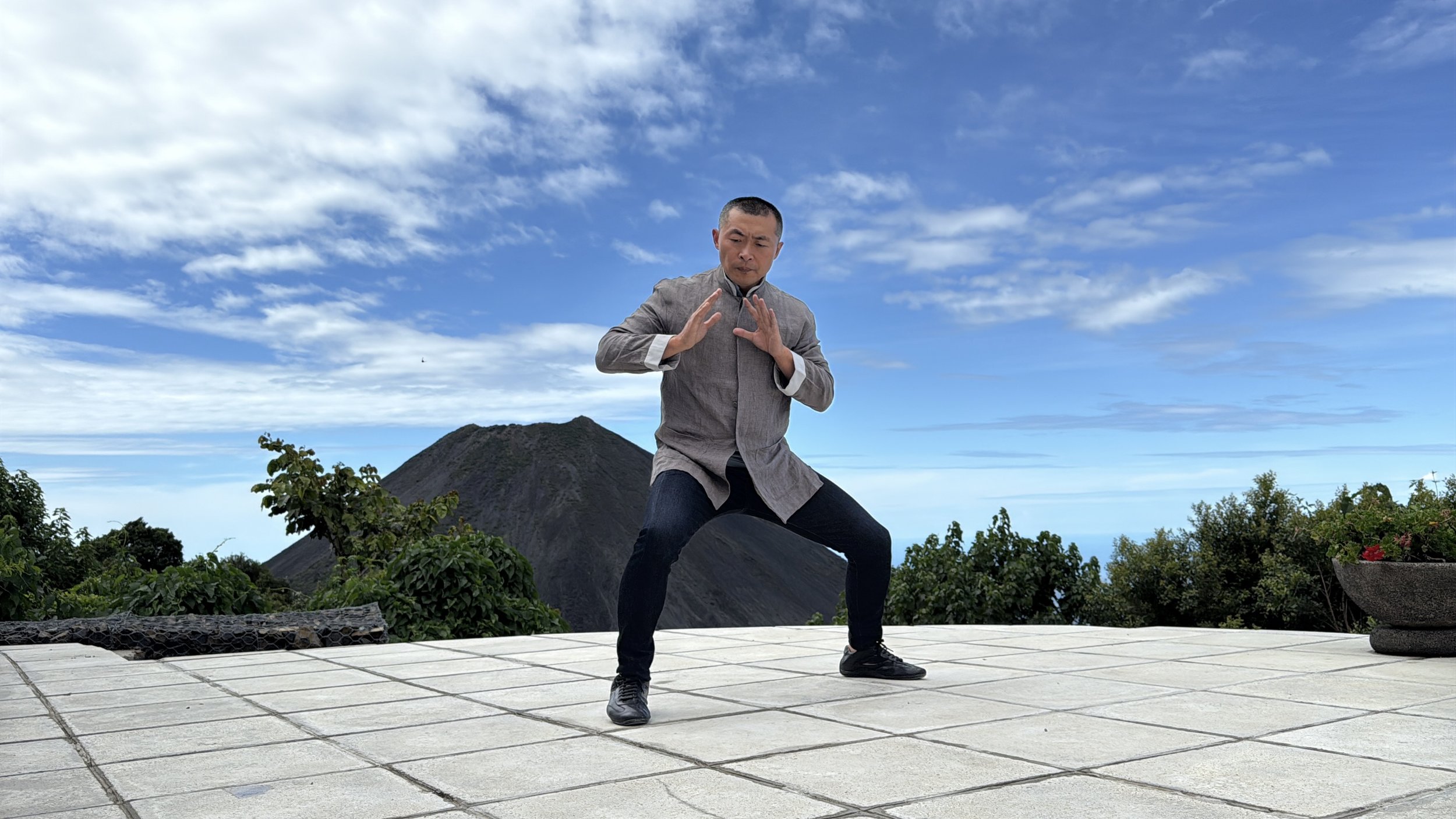
Qigong (pronounced chee-gong) is an ancient Chinese mind-body practice that combines gentle, flowing movements, controlled breathing, posture and focused mental awareness. Rooted in traditional Chinese culture, Qigong aims to cultivate and balance the body's vital energy, known as Qi, while promoting physical health, mental calmness and overall wellbeing.
Unlike ordinary physical exercise, Qigong is not simply about moving the body or developing muscular strength. Its defining characteristic is the conscious integration of movement, breathing and focused attention, creating a deeper connection between the mind and body.
The Principles of Qigong
Qigong emphasises the harmonious relationship between the mind, breathing and physical movement. Through slow, controlled movements and conscious awareness, practitioners learn to recognise and improve their posture, body alignment, balance and coordination.
An important aspect of Qigong is developing greater sensitivity to the body's internal movements, muscular tension, weight distribution and physical responses. This heightened body awareness can help practitioners move more naturally, efficiently and with greater control.
Rather than relying on excessive muscular force, Qigong encourages relaxation, stability and the coordinated use of the whole body.
The Benefits of Qigong
Regular Qigong practice may offer a range of physical and mental benefits, including:
Improved balance, stability and coordination.
Greater flexibility, mobility and postural awareness.
Enhanced body awareness and movement control.
Reduced physical tension and improved relaxation.
Better concentration, mental calmness and emotional wellbeing.
Greater confidence and efficiency in everyday movements.
Qigong can be adapted to different ages, abilities and levels of physical fitness, making it an accessible practice for those seeking to improve their overall wellbeing and quality of movement.
The Difference Between Qigong, Tai Chi and Kung Fu
Although Qigong, Tai Chi and Kung Fu share important connections within traditional Chinese culture, each has its own characteristics and emphasis.
Qigong focuses primarily on health, breathing, relaxation, body awareness and the harmonious coordination of mind and body.
Tai Chi combines slow, structured movement sequences with balance, coordination, internal awareness and principles derived from traditional Chinese martial arts.
Kung Fu refers to Chinese martial arts that place greater emphasis on self-defence, physical conditioning, strength, discipline and the development of martial skills.
While these practices differ in their primary objectives, they share an appreciation of posture, balance, coordination and the relationship between mental intention and physical movement.
The Connection Between Mind and Body
One of the most important principles of Qigong is that movement should be guided by conscious awareness rather than performed mechanically.
By combining focused attention with breathing and controlled movement, practitioners can develop a more refined sense of how different parts of the body work together.
This approach encourages improved body awareness, postural control, balance and coordination, helping individuals develop a more connected, stable and efficient way of moving.
Qigong is therefore more than a series of gentle physical exercises. It is a practice of developing awareness, control and harmony between the mind and body.